
July 2026
Cyclosporiasis.
Here’s what you need to know:
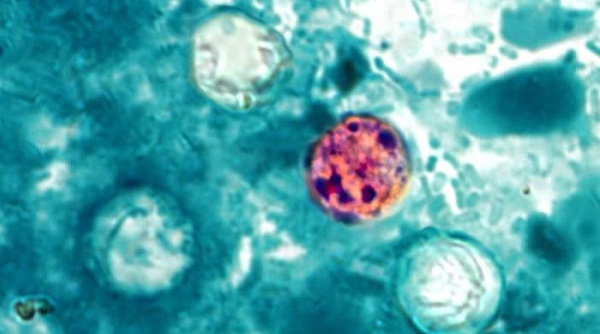
Cases of cyclosporiasis are continuing to increase across Ohio, including the Northwest Ohio region.
See below for more information.
If you have symptoms, contact your healthcare provider.
Common symptoms of cyclosporiasis can be found below.
To prevent cyclosporiasis, thoroughly wash fresh produce under running water and wash hands frequently.
Direct transmission from person to person is unlikely.
What’s going on?
Northwest Ohio and Southeast Michigan have seen a recent increase in suspected cyclosporiasis cases. Cyclosporiasis is a diarrheal illness caused by infection with the parasite Cyclospora cayetanensis which is
commonly found in developing countries and is spread by food or water contaminated with feces. In recent years, outbreaks have occurred in the U.S. as a result of eating contaminated fresh produce, especially during
the summer months. Direct transmission from person to person is unlikely.
Common symptoms of cyclosporiasis
- Watery diarrhea, which is the most common symptom
- Abdominal cramping or stomach pain
- Nausea
- Vomiting
- Low-grade fever
- Loss of appetite
- Dehydration
- Weight loss
If you are experiencing symptoms of cyclosporiasis, please contact your healthcare provider for testing and treatment. cyclosporiasis is typically treated with antibiotics. If left untreated, an individual may experience symptoms lasting a few days to a month or longer with symptoms returning after initial improvement.
Symptoms and Treatment
Prevention
- Wash your hands properly, especially if handling food.
- Wash fruits and vegetables thoroughly under running water before eating.
- Cut any damaged or bruised areas on fruits and vegetables before preparing and eating.
- If sick with diarrhea, do not swim. One person with diarrhea can spread to everyone in the pool.
HCHD and other local health departments are actively collaborating with the Ohio Department of Health (ODH), the Michigan Department of Health and Human Services (MDHHS), and the Centers for Disease Control and Prevention (CDC) to investigate cyclosporiasis cases and identify potential common sources of exposure.